
Selling A Lakefront Home On Crystal Lake’s North Shore
May 28, 2026
May 28, 2026
If you are selling a lakefront home on Crystal Lake’s North Shore, you are not just putting a house on the market. You are selling shoreline access, water use, views, and a lifestyle that buyers will want to understand clearly before they make an offer. When you prepare the property the right way and document the details up front, you can reduce surprises and present your home with more confidence. Let’s dive in.
A North Shore property on Crystal Lake is different from a typical residential listing because buyers are looking at more than square footage and finishes. They want to know how the waterfront works, what rights come with the property, and what local rules may affect their use of the lake.
Crystal Lake is a 238-acre lake overseen by the Crystal Lake Park District, and the community also has two beaches associated with the lake. That local oversight matters because lakefront value is tied to use, access, and compliance, not just location on a map.
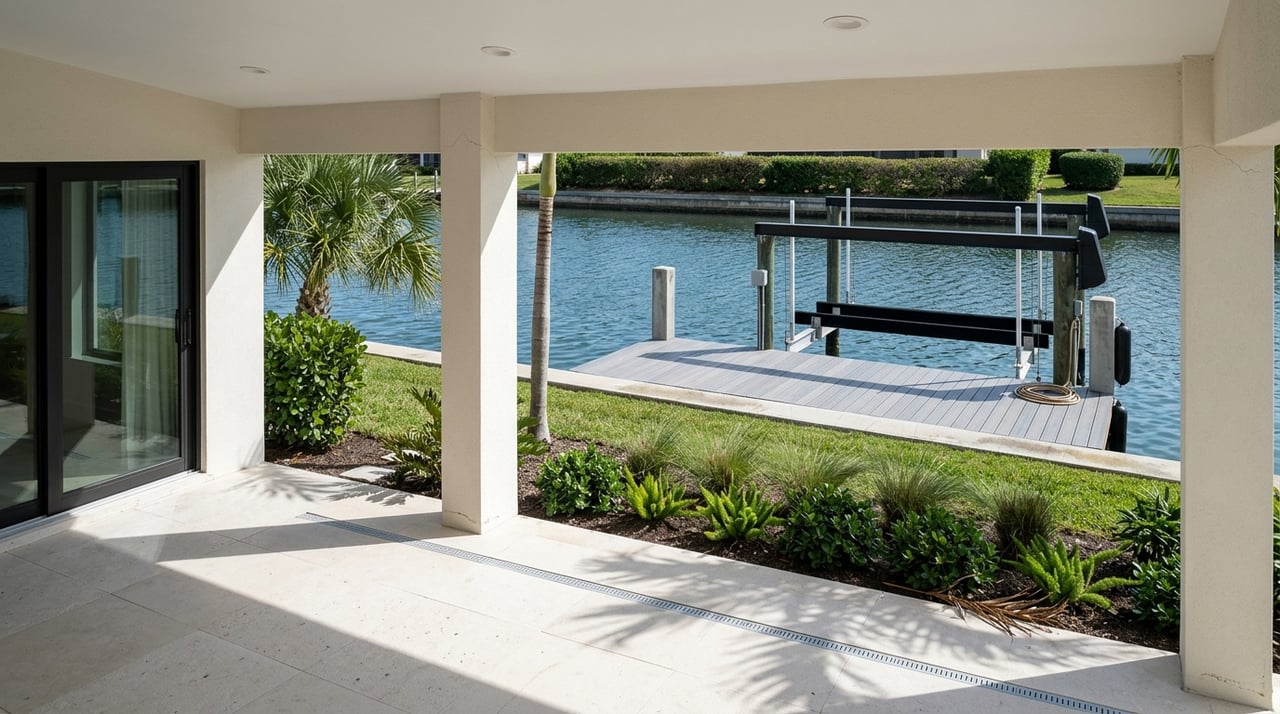
The Park District ordinance makes clear that permissions for items like piers, boat lifts, moorings, and swim rafts are tied to lakefront ownership and subject to placement rules. Some rights can pass to future owners, but buyers will still want to verify how those rights apply to your specific property and whether existing improvements comply with current rules.
One of the most important steps before listing is gathering records that explain your shoreline relationship and any waterfront improvements. Buyers are likely to ask whether the lot is contiguous to the lake bed, whether a pier or lift exists, and whether any structure is older, updated, or grandfathered under local rules.
This is where documentation can help protect your timeline. When buyers can review clear records early, they are less likely to pause later because of unanswered questions about the dock area, mooring rights, or permitted use.
A strong pre-listing document package may include:
For a lakefront sale, this information is part of the value story. It helps buyers understand what they are actually buying beyond the house itself.
Lake buyers often picture summer mornings on the water, but serious buyers also want to know the rules that shape daily use. Crystal Lake has local regulations that affect boating and lake access, and those details can influence how a buyer sees the property.
Current rules include annual lake usage decals, a 5 mph no-wake limit, wake hours, counterclockwise travel when other traffic is present, and a boater safety certificate requirement for certain operators. Even if a buyer loves the home immediately, they may still need a clear explanation of how lake use works in practice.
That does not mean your listing should feel legalistic. It means your marketing and showing strategy should answer practical questions with confidence and clarity.
Helpful topics to be ready for include:
A common mistake in lakefront pricing is leaning too heavily on citywide averages. Public market snapshots show that the broader Crystal Lake market is active, with 186 homes for sale, a median list price of $399K, median days on market of 26, and a 100 percent sales-to-list-price ratio. Still, those numbers do not tell the full story for a North Shore lakefront property.
A true pricing strategy should focus on direct waterfront comparisons and adjust for the details that matter most on the lake. Frontage, views, usable outdoor space, dock or lift rights, and flood exposure can all change value in ways that standard neighborhood comps may miss.
For many sellers, the key pricing question is simple: are you selling just land near the water, or a home with documented, usable waterfront rights that a buyer can understand and rely on? That distinction can shape both perceived value and negotiation strength.
Flood status is another issue that deserves attention before your home hits the market. The City of Crystal Lake notes that some locations along Crystal Lake are in flood hazard areas, and all development within the 100-year floodplain requires a city permit.
The city also states that flood insurance often has a 30-day waiting period and that a Letter of Map Amendment may be available in limited cases. If improvements or repairs exceed 50 percent of the structure’s market value, floodplain compliance standards can also be triggered.
For sellers, the goal is not to create concern. The goal is to reduce uncertainty by being prepared.
Important flood-related records may include:
When this information is organized before launch, buyers can review facts instead of guessing. That usually leads to smoother conversations during due diligence.
Crystal Lake sellers should also review any work that may affect drainage or watershed compliance. According to the city, any work within the Crystal Lake Watershed requires a permit, and increases in impervious area may trigger an infiltration trench requirement.
That means improvements like patios, additions, driveways, retaining walls, and drainage changes deserve a second look before you list. If a buyer sees recent hardscape or exterior work, they may ask whether permits were required and completed.
This is another area where a process-driven listing approach matters. The more complete your records are before launch, the easier it is to answer buyer questions quickly and keep momentum moving forward.
When buyers shop for waterfront property online, the water view should lead the story. Research from NAR shows that all buyers used the internet in their home search, 43 percent first looked for homes online, and 69 percent used a mobile device or tablet.
That means your online presentation is doing a large share of the selling before a showing is ever scheduled. For a North Shore lakefront home, staging is not only about making the interior feel tidy. It is about helping buyers instantly understand the view, the shoreline, and how outdoor spaces connect to daily living.
Before photos and video, focus on these presentation basics:
Strong visuals can help remote buyers engage with the property faster, especially if they cannot visit right away.
Lakefront homes often attract both local buyers and out-of-area buyers. NAR notes that remote-friendly options such as virtual tours and live video showings are especially relevant for second-home buyers and others who may not be able to visit every weekend.
That matters in Crystal Lake because a waterfront buyer may be comparing several lifestyle options at once. If your home is marketed with strong photos, video, floorplans, and a clear explanation of outdoor amenities, buyers can understand the opportunity sooner and make more informed decisions.
A strong media package for a Crystal Lake North Shore listing may include:
The marketing story should also explain the setting accurately. Crystal Lake is overseen by the Park District, while the nearby Three Oaks Recreation Area is managed separately by the city. That distinction helps buyers understand what the home is actually near and what amenities are part of the surrounding area.
For a waterfront home, preparation often has a direct impact on pricing confidence, negotiation strength, and contract stability. A pre-listing checklist can help you identify missing documents and resolve issues before they become buyer objections.
Here is a practical starting point for a North Shore seller:
This type of preparation supports a smoother launch and helps your agent market the property with more precision.
Not every agent approaches a lakefront listing with the same level of detail. Selling on Crystal Lake’s North Shore requires an understanding of local lake rules, flood considerations, property-specific documentation, and digital marketing that shows the waterfront clearly.
When you interview agents, ask direct questions about how they would handle waterfront pricing, buyer education, and pre-listing due diligence. You want a professional who understands both the emotional side of a lifestyle sale and the technical details that support a strong transaction.
Questions worth asking include:
The right strategy is both polished and disciplined. On a property like this, presentation and process should work together.
If you are preparing to sell a lakefront home on Crystal Lake’s North Shore, the best first step is to treat the property like the waterfront asset it is. When you document the rights, clarify the rules, stage the view, and launch with a strong digital plan, you put yourself in a better position to attract serious buyers and protect your sale from avoidable delays.
For a process-driven approach to pricing, presentation, and launch strategy, connect with Rafi Sahakian for a complimentary home valuation.

July 9, 2026
July 2, 2026

June 25, 2026

June 18, 2026

June 11, 2026

June 4, 2026
May 28, 2026

May 21, 2026

May 14, 2026
Contact The Rafi Group today whether you are looking to purchase your next home, invest, sell your property or rent one, and allow him to provide you with exceptional, dedicated, and effective service that exceeds your expectations. They work with a dedicated professional team including attorneys, lenders, insurance agents, and certified inspectors.