
Buying A Waterfront Condo On Marco Island: HOAs And Amenities
June 25, 2026
June 25, 2026
Dreaming about a waterfront condo on Marco Island? The view may be what grabs you first, but the HOA, reserves, insurance, and amenity structure can have just as much impact on your day-to-day ownership experience. If you want the right mix of lifestyle, predictability, and long-term value, you need to look beyond the balcony and into the building itself. Let’s dive in.
When you buy a condo on Marco Island, you are not just buying your unit. You are also buying into a shared financial and operating structure. That means the association’s rules, budget, reserves, and maintenance decisions can shape your costs and your ownership experience.
This matters even more on the waterfront. Marco Island says every property on the island is in, on, or near a Special Flood Hazard Area, so flood exposure is not a side issue here. Flood zone, elevation information, and insurance should be treated as core buying factors from the start.
Many buyers focus on the monthly HOA fee first. That number matters, but it only tells part of the story. A lower fee is not always better if the building is underfunded, facing repairs, or carrying major insurance costs.
Florida condominium budgets must be detailed and include reserve accounts for capital expenditures and deferred maintenance. For buildings that require a structural integrity reserve study, reserve amounts for covered structural items must follow the findings and recommendations of the most recent study. In simple terms, your monthly payment should be viewed alongside reserve health, not in isolation.
Older waterfront buildings can offer strong locations and established amenity packages, but age brings extra questions. Florida’s milestone-inspection law applies to residential condominium buildings that are three habitable stories or higher. The first inspection is due by the year the building reaches 30 years of age, then every 10 years after that, and local enforcement can require the first inspection at 25 years under certain local conditions, including proximity to salt water.
For you as a buyer, that means an older Marco Island tower may have more visible repair planning, more immediate capital needs, or more documentation to review. That does not make an older building better or worse by default. It means you should compare inspection findings, reserve funding, and repair status carefully before you commit.
A condo fee usually supports more than basic upkeep. It can reflect staffing, maintenance, insurance, amenity operation, reserve contributions, and long-term repair planning. On Marco Island, waterfront conditions can make those line items especially important.
Florida law also places limits on how associations can underfund required reserves. For budgets adopted on or after December 31, 2024, a unit-owner-controlled association that must have a structural integrity reserve study generally may not vote to fund less than the required reserve amounts for covered items, except in limited approved situations. That is a major reason buyers should ask not only what the fee is, but also why it is set at that level.
One of the biggest questions in any condo purchase is whether the building is planning ahead or catching up. Reserve accounts are designed to prepare for major future expenses. Special assessments, on the other hand, often appear when costs exceed current funding.
The structural integrity reserve study framework is especially relevant in coastal buildings. It covers major items such as the roof, structure, fireproofing and fire protection systems, plumbing, electrical systems, waterproofing and exterior painting, and windows and exterior doors. For a waterfront condo, those are not minor details. They are central to future ownership costs.
You should also ask whether the association is considering a special assessment, loan, or line of credit. These funding tools may be permitted, but they can affect your short-term and long-term cost picture. If a building’s fee looks unusually low, that is often a reason to review the reserve schedule more closely, not a reason to move faster.
Insurance is another major part of the waterfront condo equation. Florida law requires condominium property insurance to be based on replacement cost determined by an independent appraisal or update at least every three years. The board may set deductibles based on available funds and assessment authority, and deductibles and excess damages are generally treated as common expenses.
You will also need your own unit-owner policy. Under current Florida law, your policy must cover the items excluded from association coverage and functions as excess coverage over other insurance on the same property. This is why buyers should review the association’s insurance declarations early, not after they are emotionally committed to the unit.
On Marco Island, floodplain review should be part of your due diligence from day one. The city says all structures are subject to floodplain review, and it uses current FEMA Flood Insurance Rate Map information when processing permits and rating flood policies. The city also notes that an Elevation Certificate is used to confirm finished-floor and machinery elevations.
That matters for both current cost and future work. The city states that substantial-improvement or substantial-damage rules can apply if work exceeds 50 percent of market value. If you are planning renovations after closing, this is worth understanding before you buy.
Amenities can be one of the best parts of condo living on Marco Island. Pools, fitness areas, social spaces, beach access points, storage, parking, and boating features can all add to the appeal. But amenities should always be evaluated as part of the fee structure, not as a separate bonus.
A strong amenity package may justify a higher monthly cost if it is well maintained and clearly budgeted. On the other hand, an attractive feature list can become frustrating if maintenance is deferred, access is limited, or the legal structure behind the amenity is unclear. The right question is not just “What does this building have?” but “How is it funded, managed, and shared?”
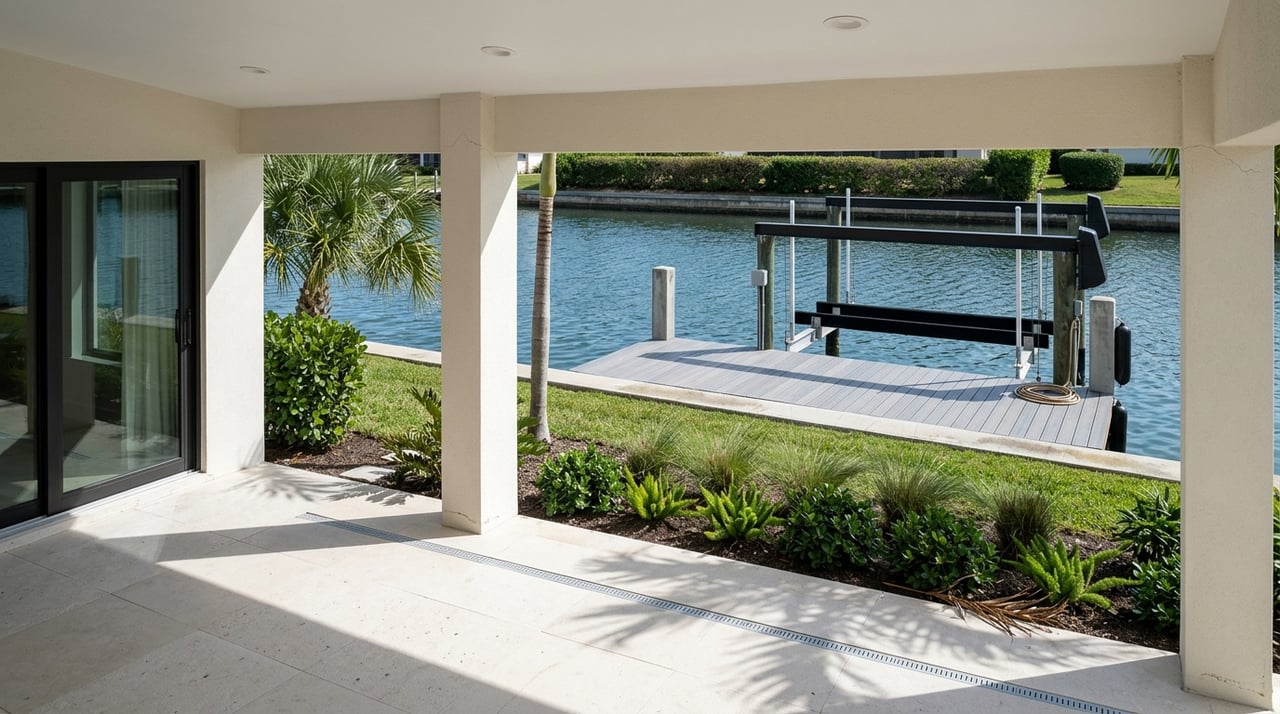
If boating is part of your Marco Island lifestyle goal, verify exactly how that access works. Docks, slips, or marina access may be part of the common elements, leased from a third party, or tied to a separate membership or fee arrangement. Those differences can affect your costs, rights, and convenience.
This is one of the easiest places for buyers to make assumptions. A building may market a boating lifestyle, but the legal status of the dock or slip access may be more limited than expected. Before you make an offer, confirm whether boating amenities are deeded, shared, leased, waitlisted, or handled through another entity.
Condo lifestyle is about more than views and square footage. The declaration, bylaws, and rules may include restrictions on leasing, pets, unit use, transfers, or alterations. These details can directly affect how well a building fits your plans.
If you expect to use the condo seasonally, rent it in certain months, bring a pet, or update interiors soon after closing, the governing documents deserve close review. Florida law recognizes that condominium documents may restrict sales, leases, and transfers, so these are not small-print issues. They are practical ownership questions.
For a Florida resale condo, the buyer must receive key association documents more than seven days before execution or the contract may be voidable. These documents include the declaration, articles of incorporation, bylaws, rules, most recent annual financial statement, annual budget, and FAQ sheet. If required inspections or reserve studies have not been completed when they should have been, additional disclosure and buyer rights may apply for contracts entered into after December 31, 2024.
That gives you a real opportunity to evaluate the building before you move forward. Do not treat document review as a formality. It is one of the strongest protections you have as a buyer.
If you are serious about a specific Marco Island condo building, a deeper records review can tell you a lot. Florida’s official-records rules cover items such as plans, permits, warranties, current rules, minutes, financial statements, contracts, structural integrity reserve studies, and inspection reports related to structural or life-safety issues. A unit owner can inspect and copy records within 10 working days after a written request, and the association must provide a checklist showing what was made available.
In practical terms, the most useful items to review are:
These records help you understand whether the building is proactive, reactive, or somewhere in between.
When you compare waterfront condo options on Marco Island, it helps to use the same checklist for every building. That keeps emotion from overshadowing financial reality.
Here are the key items to line up side by side:
A clear comparison process can save you from costly surprises later.
A waterfront condo on Marco Island can deliver the low-maintenance coastal lifestyle you want, but the building matters as much as the unit. The right purchase usually comes down to how well the HOA is run, how transparent the records are, how realistic the reserves look, and whether the amenities truly support your lifestyle.
If you approach the process with disciplined due diligence, you can buy with more clarity and fewer surprises. On Marco Island, that means paying close attention to flood exposure, building age, inspections, insurance, and the true cost behind the amenities you plan to enjoy.
If you are comparing waterfront condos on Marco Island and want a process-driven approach that keeps the numbers, documents, and lifestyle goals aligned, connect with Rafi Sahakian.

August 6, 2026
August 6, 2026
July 23, 2026
July 16, 2026
July 9, 2026
July 2, 2026
June 25, 2026

June 18, 2026
June 11, 2026
Contact The Rafi Group today whether you are looking to purchase your next home, invest, sell your property or rent one, and allow him to provide you with exceptional, dedicated, and effective service that exceeds your expectations. They work with a dedicated professional team including attorneys, lenders, insurance agents, and certified inspectors.