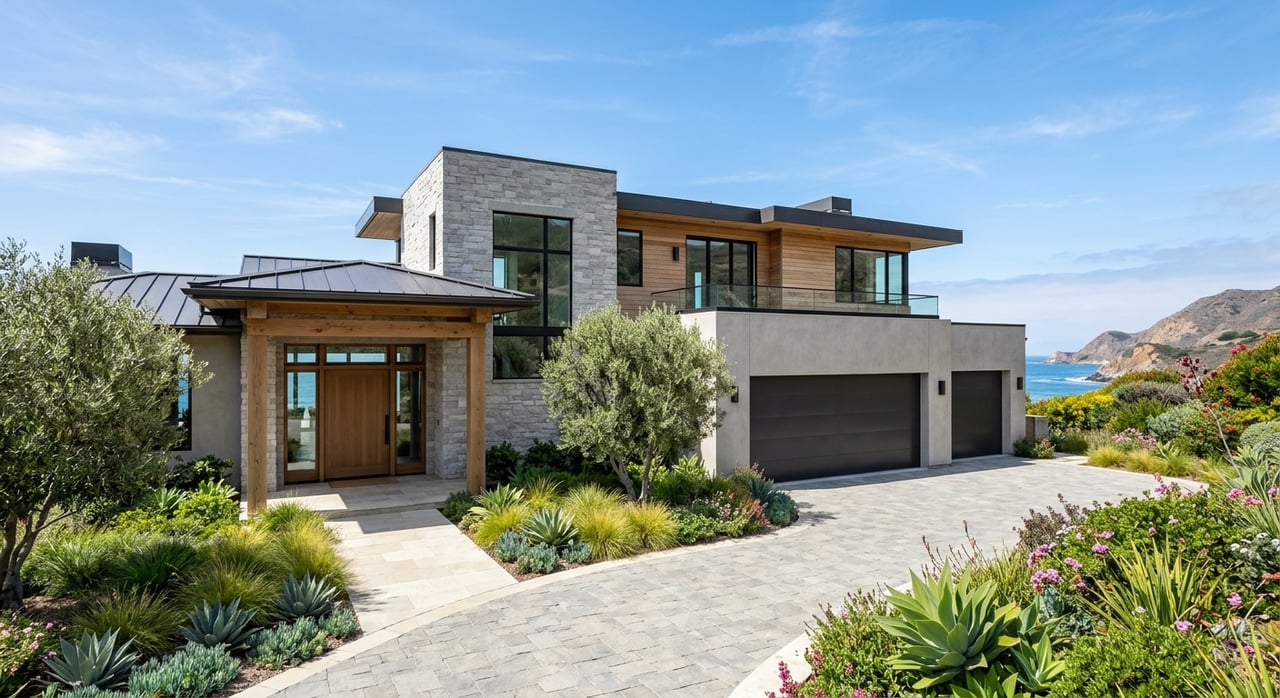
Naples Condo vs Single Family for Seasonal Living
June 18, 2026
June 18, 2026
Trying to decide between a condo and a single-family home for your Naples seasonal stay? It sounds simple at first, but in Naples, the better choice often comes down to how you want to live when you are here, how much upkeep you want to handle, and what rules apply to the exact property you buy. If you want a clearer way to weigh privacy, maintenance, storage, rental options, and carrying costs, you are in the right place. Let’s dive in.
In Naples, the condo versus house decision is not only about lifestyle. It is also about jurisdiction and governing documents. Two properties that seem similar can come with very different rules depending on whether they are in the City of Naples or in unincorporated Collier County.
Within the City of Naples, rentals generally must be 30 days or longer. The city also allows only three rentals per year that are shorter than 30 days, and properties may not be advertised as available for shorter stays. The city says most condominiums follow that same baseline, but an association can adopt stricter rules.
If a property is outside city limits in unincorporated Collier County, short-term vacation rentals require county registration. That means your intended use matters before you buy, especially if you plan to offset costs with seasonal rentals. The key takeaway is simple: always review the exact address, city or county rules, and the association documents together.
For many snowbirds, a condo offers the easiest version of seasonal ownership. If you want a property you can lock, leave, and return to without managing as many day-to-day exterior issues, a condo often checks that box.
Under Florida condominium law, the association is generally responsible for maintaining the common elements. The association must also use its best efforts to obtain and maintain adequate property insurance for the areas it is required to insure. That shared structure is a major reason many seasonal owners see condos as a convenience play.
In practical terms, your condo dues usually support more than amenities. They commonly help fund maintenance, repairs, replacements, and other association responsibilities. You still need your own unit-owner policy, because your coverage is separate from and excess over the association policy.
If you are comparing options for a part-time Naples home, condos often stand out for a few practical reasons:
That convenience can be especially attractive if your goal is to enjoy Naples during the season without coordinating as many upkeep tasks yourself.
The same structure that makes condo ownership convenient can also reduce flexibility. Because condos are governed by declarations, bylaws, and association rules, you usually have less control over how the property is used.
Privacy is one of the biggest tradeoffs. A detached home generally offers more separation from neighbors, while condo living is built around shared walls, common elements, and association governance. For some buyers, that is an easy trade for convenience. For others, it becomes a deal-breaker over time.
Storage is another common pain point. If you own a boat, trailer, golf cart, or extra vehicle, condo rules can add another layer on top of local ordinances. Even before you think about convenience, it is worth asking whether the property can realistically support the way you plan to use it.
If you value control, privacy, and space, a single-family home will often feel like the better fit. A detached property usually gives you more autonomy over daily use and more physical separation from neighbors.
That extra freedom matters for many seasonal owners in Naples. If your ideal stay includes outdoor living, room for guests, extra vehicles, or equipment storage, a house often gives you better odds of making that work. It can also feel more tailored to buyers who want a second home that lives more like a private retreat.
A single-family home does not always mean no association, though. Some houses are part of homeowners’ associations, which can still include recorded rules, mandatory assessments, reserve funding, and the possibility of special assessments. The difference is that a detached home usually leaves more direct maintenance responsibility with you than a condo would.
A house may be the stronger choice if your priorities include:
For many buyers, those benefits outweigh the added work of managing the property more directly.
In Naples, storage can quickly become a deciding factor. This is especially true for seasonal owners who bring boats, trailers, or additional vehicles.
In the City of Naples, watercraft and trailers generally cannot remain in front or side yards for more than 48 continuous hours. No more than two can be stored there, they must be at least 50 feet from the nearest property line, and they must be completely screened from view from adjacent properties and rights-of-way. Rear-yard storage is also capped.
Collier County also regulates RV and boat parking and uses temporary permit forms for some short-term storage situations. If you are considering a condo, remember that association rules can be even more restrictive than local code. That makes storage review a must-have step before making an offer.
One of the clearest differences between a condo and a single-family home is how responsibility is divided. A condo owner usually shares costs through dues, while a house owner usually carries more of those obligations directly.
With a condo, the association typically handles common-element maintenance and maintains insurance for the property it is required to insure. Your own policy still matters, because it covers your unit-specific interests and sits separately from the association policy.
With a single-family home, especially one outside an HOA, more of the maintenance burden stays with you. That can include exterior upkeep, yard care, repairs, and more direct insurance exposure. In an HOA community, some costs may be shared, but that does not eliminate owner responsibility.
For a seasonal owner, monthly payment is only part of the picture. The real carrying cost is usually a bundle of mortgage, property taxes, insurance, association costs, and upkeep.
Condo owners often pay higher recurring association dues because those dues help cover common expenses and association obligations. HOA single-family owners may pay lower dues than condo owners in some cases, but they can still face common-area costs, reserve funding needs, and possible special assessments.
The bigger question is how you want to pay for ownership. In many Naples seasonal purchases, you are either paying more for convenience through dues or paying more for control through direct upkeep. Neither path is automatically better. It depends on how you use the property and how hands-on you want to be.
If this will be your seasonal residence, do not assume it qualifies for Florida homestead exemption. Collier County states that homestead requires the owner to make the Florida property their permanent residence as of January 1.
That means a snowbird property usually does not qualify unless it is truly your primary home. According to Collier County, homestead can reduce assessed value by up to $25,000, plus an additional exemption above $50,000 for most non-school levies. Property tax bills are due November 1 and become delinquent April 1.
This matters when you compare condos and houses at the same price point. If you are budgeting for seasonal ownership, use the likely non-homestead tax picture unless you know the property will become your permanent Florida residence.
If you want a true lock-and-leave home and do not need much on-site storage, a condo often makes the most sense. It can simplify ownership by shifting more maintenance duties to the association, even though that convenience usually comes with higher recurring dues and more rules.
If you want more privacy, more day-to-day control, and more flexibility for outdoor living or storage, a single-family home is often the better match. In exchange, you should expect more direct responsibility for maintenance, insurance, and upkeep.
In other words, the right answer is less about property type alone and more about fit. Your ideal Naples seasonal property should support how you plan to live, what you want to store, and how much responsibility you want to carry while you are away.
If you want help comparing condos, single-family homes, and community rules in Naples or greater Collier County, Rafi Sahakian can help you sort through the details and find the seasonal property that fits your goals.
July 23, 2026
July 16, 2026
July 9, 2026
July 2, 2026
June 25, 2026
June 18, 2026
June 11, 2026
June 4, 2026
May 28, 2026
Contact The Rafi Group today whether you are looking to purchase your next home, invest, sell your property or rent one, and allow him to provide you with exceptional, dedicated, and effective service that exceeds your expectations. They work with a dedicated professional team including attorneys, lenders, insurance agents, and certified inspectors.