Living in Chicago Western Suburbs: Is Brookfield Right?
May 14, 2026
May 14, 2026
Thinking about trading a faster city pace for more space, easier parking, and a park-centered routine? If you are considering Chicago’s western suburbs, Brookfield gives you a grounded example of what daily life can actually look like in this part of the metro area. From housing patterns and commute options to parks, trails, and weekend plans, here is what you should know before making a move. Let’s dive in.
Brookfield is the community tied to ZIP code 60513, and it sits along Metra’s BNSF corridor in Chicago’s western-suburb rail network. That rail access matters because it shapes how many people balance suburban living with work, errands, and trips into the city.
Current Census data show a 2024 population of 18,885. The village also has an owner-occupied housing rate of 79.5%, a median owner-occupied home value of $314,000, a median household income of $110,295, an average household size of 2.50, and a mean commute time of 32.7 minutes.
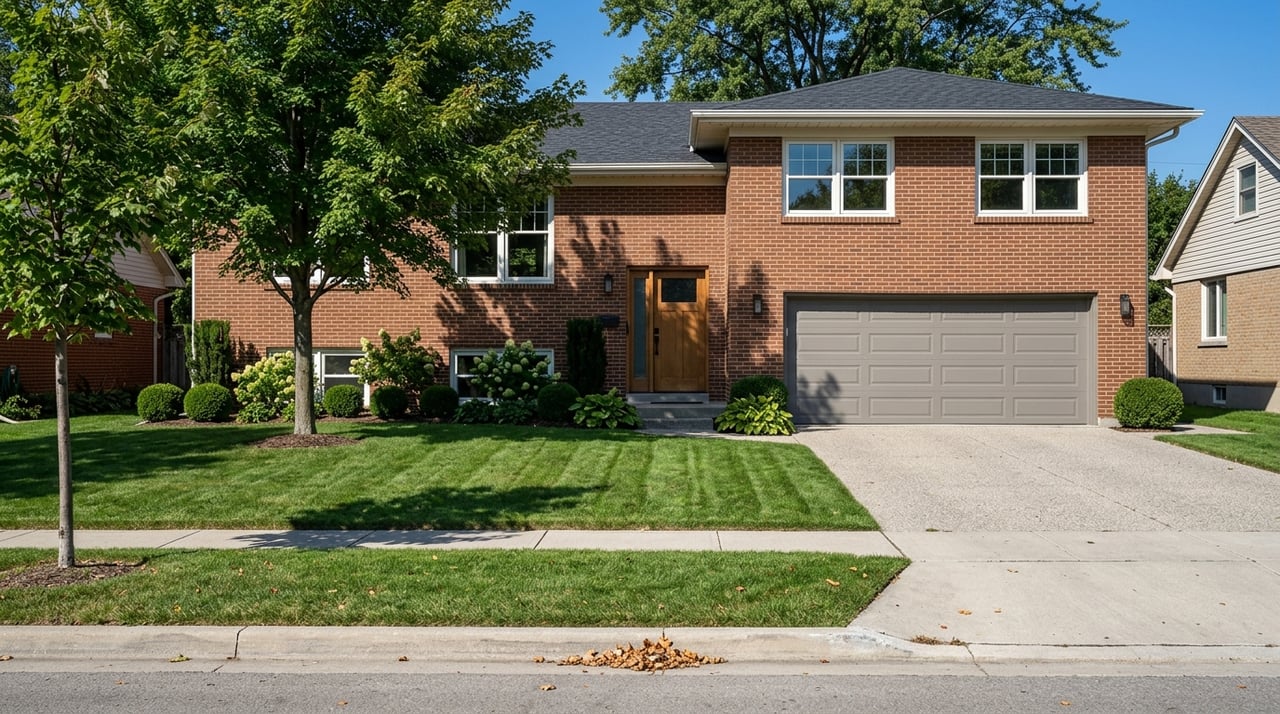
If you picture a classic western suburb with blocks of detached homes, Brookfield largely fits that image. According to the village’s comprehensive plan, residential land uses occupy most of the community, and the housing stock is primarily single-family detached homes at 64.3%.
That same plan shows apartments with two or more units at 28.9% and single-family attached homes at 6.8%. In simple terms, you will find a strong detached-home base, with other housing types mixed in depending on location.
One of the most useful things to know about Brookfield is that it is not all one housing style or density. The village describes a wide range of neighborhood character and organizes residential areas into traditional neighborhood, transitional residential, multi-family residential, and station-area mixed-use framework areas.
That means your experience can change depending on where you look. Some parts feel more traditionally residential, while others are shaped by nearby transit stops, commercial corridors, and mixed-use planning.
Brookfield’s plan places townhomes, rowhomes, and duplexes closer to commercial areas such as 8 Corners, Downtown, and the 31st and 47th Street corridors. If you want a location closer to errands, transit, and village activity, these areas may offer a different housing feel than blocks dominated by detached homes.
In the downtown core, mixed-use buildings sit near the Metra station, Village Hall, the Post Office, the Historical Society, and Kiwanis Park. The village notes that this area can be reached by foot, bike, or car, which adds to its day-to-day convenience.
Brookfield’s planning documents point more toward infill and targeted growth than a dramatic shift in overall character. The village identifies mid-density housing, live-work units, and active senior units as housing types currently in demand.
For you as a buyer, that suggests a market where traditional suburban housing remains central, but where certain pockets may continue to evolve. If your goal is to match your budget and lifestyle with the right block, not just the right ZIP code, that neighborhood-level detail matters.
It helps to avoid thinking of the western suburbs as a single price point or housing style. Brookfield’s median owner-occupied home value is $314,000, while nearby Hinsdale’s is $1,053,700.
That is a major difference, and it shows how much prices, lot sizes, and housing character can vary from one suburb to the next. If you are comparing communities, broad labels like “western suburbs” are less useful than looking closely at each town’s housing mix, access, and daily routine.
Brookfield station is on the BNSF line at 8858 Burlington Ave. It has 198 parking spaces, sits in fare zone 2, and connects to Pace routes 302 and 331.
Metra also lists nearby stations on the line including Congress Park, LaGrange Road, Western Springs, Hinsdale, West Hinsdale, Clarendon Hills, Westmont, Downers Grove, Lisle, Naperville, Route 59, and Aurora. For many movers, that station network is one of the biggest reasons the western suburbs remain appealing.
Based on Metra’s current BNSF timetable generated May 7, 2026, some trips from Brookfield to Union Station take about 33 minutes. Actual trip times vary by train and stop pattern, but that gives you a useful benchmark.
Brookfield’s mean commute time of 32.7 minutes lines up with that broader picture. In other words, this is a suburb where both train access and driving are part of normal daily life.
Brookfield’s transportation plan supports sidewalk, bike, and streetscape improvements. The village highlights goals such as bike parking, pedestrian-scaled streets and sidewalks, and even consideration of bike-share at Metra stations.
That does not make Brookfield feel like a dense city neighborhood, but it does suggest a more flexible daily routine than a purely car-dependent suburb. Depending on where you live, walking, biking, driving, and rail can all play a role.
One of the clearest lifestyle advantages in Brookfield is access to parks. The village says it maintains almost 70 acres of public parks, and that most include baseball fields, tennis courts, and playgrounds.
The comprehensive plan specifically highlights community parks such as Jaycee-Ehlert and Kiwanis. For many residents, these spaces are not just weekend extras. They are part of the normal rhythm of afternoons, evenings, and everyday recreation.
Brookfield Zoo Chicago is one of the village’s best-known destinations. It spans 235 acres, is located in Brookfield 60513, has entrances at 31st Street and Golfview Avenue and at 3300 Golf Road, and is open daily except Thanksgiving and Christmas.
For people moving from denser parts of the city, having a destination like this nearby can shape how weekends feel. It adds a strong local amenity that is easy to build into regular life, not just occasional visits.
If you want larger-scale nature access, nearby DuPage County preserves add another layer to the lifestyle. Fullersburg Woods in Oak Brook covers 220 acres and offers trails, wildlife viewing, fishing, boating, and the Graue Mill museum.
Waterfall Glen in Darien is even larger at 2,503 acres, with almost 11 miles of trails. Together, these nearby preserves expand your options beyond neighborhood parks and give you easy access to a more open-air weekend routine.
In Brookfield and similar western suburbs, daily life tends to center on parks, local errands, commuting, and a handful of commercial nodes. It is less about one dense urban core and more about a network of places that support your week.
Brookfield’s plan emphasizes Downtown Brookfield, 8 Corners, and the 31st and 47th Street corridors as key mixed-use and neighborhood activity areas. That makes the village feel organized around practical centers rather than constant high-density activity.
For many buyers, the real contrast with city living is not just square footage. It is the routine that comes with detached-home neighborhoods, more residential land use, and easier access to parks and parking.
That can mean more room for storage, outdoor space, and a different pace around errands and commuting. If you are looking for a suburb where space and mobility both matter, Brookfield gives you a strong example of that western-suburb balance.
Brookfield may appeal to you if you want a suburb with a strong base of single-family homes, rail access on the BNSF line, and a lifestyle shaped by parks and community destinations. It can also make sense if you want more value flexibility than some higher-priced western suburbs offer.
At the same time, it is smart to remember that housing type, density, and feel can vary within the village itself. The best move is usually not picking a suburb by reputation alone, but comparing specific areas based on your commute, budget, and preferred daily routine.
If you are weighing Brookfield against other western suburbs, local guidance can help you narrow in on the right fit faster. For tailored advice on buying or selling in Chicagoland’s commuter suburbs, connect with Rafi Sahakian.
June 25, 2026
June 18, 2026
June 11, 2026
June 4, 2026
May 28, 2026
May 21, 2026
May 14, 2026
May 7, 2026
April 23, 2026
Contact The Rafi Group today whether you are looking to purchase your next home, invest, sell your property or rent one, and allow him to provide you with exceptional, dedicated, and effective service that exceeds your expectations. They work with a dedicated professional team including attorneys, lenders, insurance agents, and certified inspectors.