Should You Buy New Construction or Resale in the South Suburbs?
June 4, 2026
June 4, 2026
Wondering whether a brand-new home or an established one makes more sense in Chicago’s south suburbs? It is a common question, especially in places like 60417 where you can find both newer subdivision growth and mature resale neighborhoods. If you are weighing layout, monthly cost, commute, and long-term upkeep, this guide will help you compare the tradeoffs with more confidence. Let’s dive in.
In the south suburbs, this is not a simple old-versus-new debate. The local housing mix gives you real options, with established neighborhoods alongside continued residential development. In Will County, the median year built is 1992, while 6.3% of homes were built in 2010 or later, and recent development from 2020 to 2024 included 99 developments and 5,009 residential units.
That matters because buyers in 60417 are often balancing more than finishes alone. Census Reporter shows a median owner-occupied home value of $243,100, a median age of 49.1, and a mean travel time to work of 37.8 minutes. In other words, your decision may come down to how a home fits your daily routine just as much as how it looks on showing day.
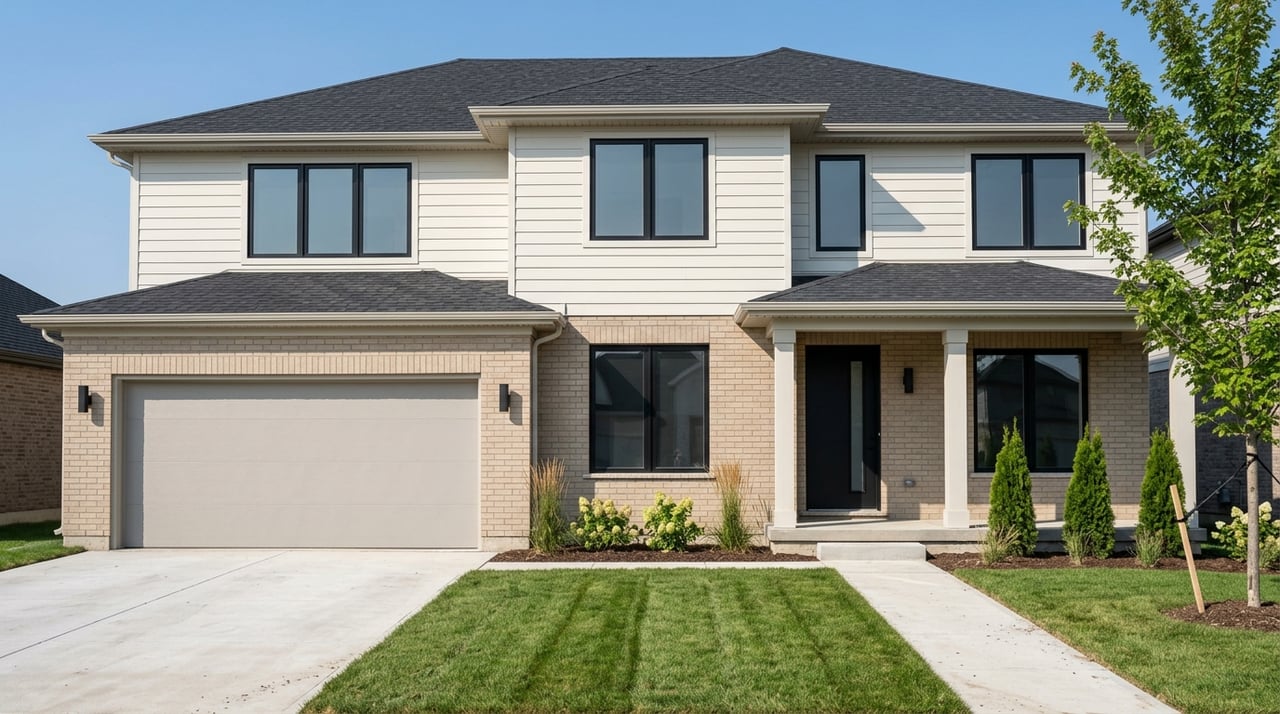
New construction usually appeals to buyers who want a cleaner, more predictable starting point. You may get a modern floor plan, newer materials, and fewer near-term repair concerns than you might expect in an older resale home. It can also feel easier to picture your life there when everything is fresh and unused.
National Census benchmarks help set expectations for what new homes tend to look like. In 2024, the median new single-family home sold was 2,210 square feet, with a median sale price of $420,300 and a median lot size of 8,545 square feet. That does not define every south suburban new build, but it shows why many buyers experience new construction as a more standardized package.
One of the strongest practical benefits of new construction is efficiency. The U.S. Department of Energy says efficient new homes can be built to rigorous performance standards and independently verified. It also notes that adding insulation during construction is more cost-effective than retrofitting it later.
For you, that can mean lower operating costs over time and fewer immediate improvement projects after closing. If your goal is a move-in-ready home with fewer early surprises, this can be a meaningful part of the value equation. It is not just about shiny finishes.
A new home can look simple online, but the contract side may be more layered than buyers expect. The Consumer Financial Protection Bureau says closing costs typically range from 2% to 5% of the purchase price, and buyers should also budget separately for moving, furnishings, renovations, and an emergency cushion. For homes not yet built, there may also be an upfront builder deposit.
Another important point is financing. Builders often have an associated lender, but you do not have to use that lender. Shopping your financing options can help you compare the full cost, not just the sales office pitch.
Many planned subdivisions include homeowners association fees. According to the Consumer Financial Protection Bureau, HOA dues are usually paid separately from the mortgage and can range from a few hundred dollars to more than $1,000 a month. That makes the monthly budget conversation much bigger than principal and interest alone.
In Illinois, common-interest community associations are also governed by state law. Before you treat an HOA as a small side note, review the declaration, bylaws, budget, and reserve funding. That gives you a better picture of what you are paying for and how the community is managed.
Established homes in the south suburbs bring a different kind of value. Instead of a uniform subdivision feel, you may find more variation in lot patterns, layouts, updates, and street character. For many buyers, that variety makes the search more interesting and opens the door to homes with features that are harder to find in newer builds.
Will County’s housing profile supports this. About 23.6% of units were built before 1990, and 47.5% were built from 1990 to 2009. That means a large share of the local resale market comes from earlier building cycles and mature neighborhoods, even if many homes are not especially old by broader Chicago-area standards.
That age mix creates both opportunity and homework. One established home may have a newer roof, updated mechanicals, and renovated finishes, while another on the next block may need major work. The lower starting price of a resale home can be appealing, but the future cost picture may be less predictable.
The Consumer Financial Protection Bureau reminds buyers that homeowners are responsible for maintenance and repairs, from small plumbing fixes to big-ticket items like roof replacement. That is why established homes should be evaluated not only by purchase price, but by likely repair and maintenance costs over time.
In many south suburban resale areas, the appeal goes beyond the house itself. Mature streetscapes, less standardized lot layouts, and neighborhoods shaped over time can all influence how a place feels day to day. If your home search includes privacy, established landscaping, or less repetition from one home to the next, resale inventory may better match your goals.
This is especially relevant in 60417, where buyers may also be thinking hard about commute efficiency. With a mean travel time to work of 37.8 minutes, the exact location of the home can have a bigger impact than the ZIP code alone suggests. A beautiful house can still be the wrong fit if the daily drive adds stress.
One of the biggest mistakes buyers make is comparing homes by list price alone. A lower-priced resale home may need repairs soon, while a new construction home may come with higher HOA dues, builder upgrades, or post-closing costs like window treatments and landscaping. The better question is what each home will cost you each month and in the first year.
The Consumer Financial Protection Bureau says monthly housing costs can include:
It also advises buyers to subtract moving costs, renovation costs, and furnishing expenses from available cash before deciding what they can comfortably afford. That framework is especially useful when you are comparing a polished model home with a resale property that may need updates.
If you need to relocate on a firm timeline, speed matters. An established home may let you close and move sooner, while a new home may depend on construction timing, completion schedules, and builder processes. If your timeline is tied to a lease ending, a job change, or a home sale, this can quickly become a deciding factor.
That is why one of the smartest buyer questions is not just “When can I close?” but “When can I realistically take possession?” The answer can affect storage costs, temporary housing, moving logistics, and stress. A home that looks perfect on paper may not work if the timeline does not line up.
Whether you lean toward new construction or resale, a few questions can help you compare homes more clearly:
These are the questions that turn a home search into a smart buying decision. They help you move beyond surface appeal and focus on cost, timing, and daily livability.
New construction may be the better fit if you want a modern layout, better energy performance, and fewer immediate repair concerns. Established homes may make more sense if you value variety, mature surroundings, and a potentially broader range of price points and locations. Neither choice is automatically better. The right answer depends on how you live, what you can comfortably spend, and how flexible your timeline is.
In the south suburbs, that decision is especially local. With continued development in Will County and a deep base of existing homes, buyers have real choices. The key is to compare each option through the lens of total cost, commute, and move-in timing rather than relying on first impressions alone.
If you are weighing new construction against established homes in the south suburbs, working with a team that values process, clarity, and negotiation can make the decision much easier. For guidance tailored to your timeline and goals, connect with Rafi Sahakian.
September 17, 2026

September 10, 2026
September 3, 2026
August 27, 2026
August 20, 2026
August 13, 2026
August 6, 2026
August 6, 2026
July 23, 2026
Contact The Rafi Group today whether you are looking to purchase your next home, invest, sell your property or rent one, and allow him to provide you with exceptional, dedicated, and effective service that exceeds your expectations. They work with a dedicated professional team including attorneys, lenders, insurance agents, and certified inspectors.