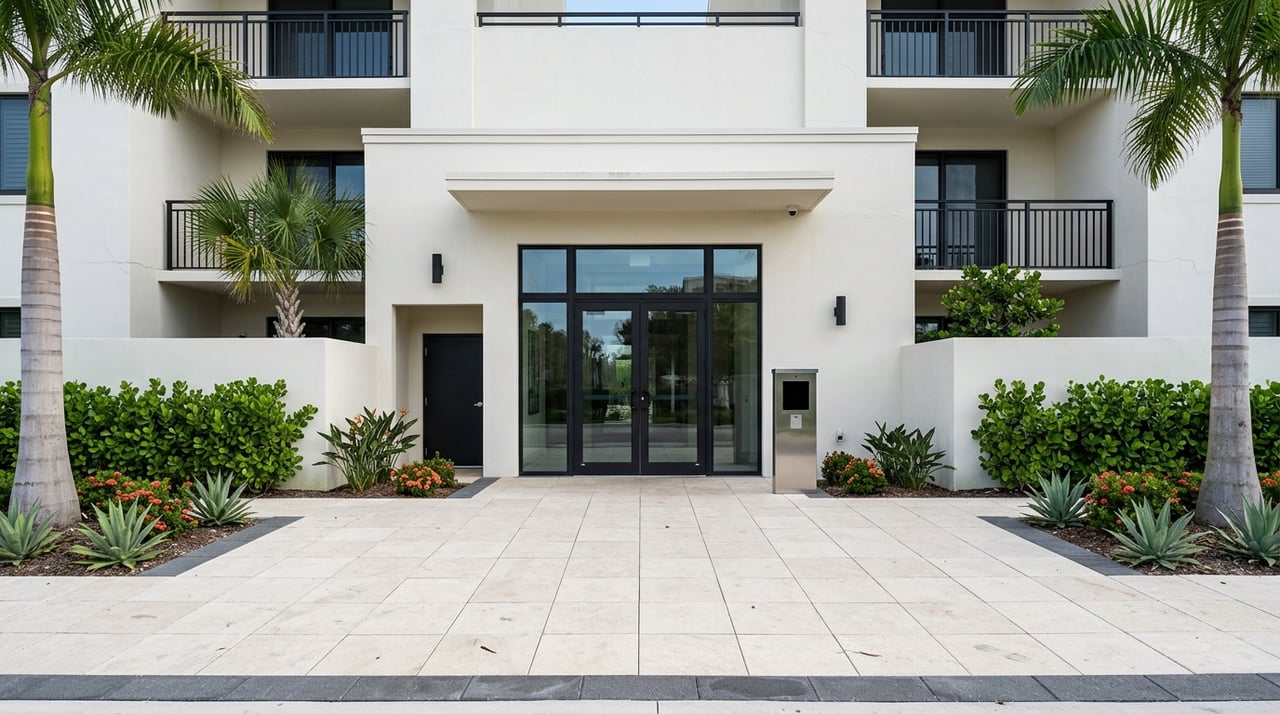
North Naples Short Term Rental Condos: Key Rules for Investors
April 16, 2026
April 16, 2026
If you are looking at North Naples condos for rental income, one detail can make or break the deal fast: the building’s lease rules. A condo that looks perfect on paper may not allow the rental schedule your investment plan depends on. If you want to avoid expensive surprises, you need to understand how county rules, state licensing, taxes, seasonality, and HOA documents work together. Let’s dive in.
In North Naples, condos are not one single investment category. Two units with similar prices and similar locations can perform very differently if their associations allow different lease terms, approval timelines, or rental frequency.
That is why experienced investors start with the condo documents, not just the listing photos or projected rent. In many cases, the real underwriting story is hidden in the declaration, bylaws, and rules.
For condos in unincorporated Collier County, short-term vacation rental registration is generally required if the unit is rented more than three times in a calendar year for periods of less than 30 days or one calendar month. According to Collier County’s short-term vacation rental registration guidance, properties inside the City of Naples, City of Marco Island, and Everglades City are exempt from that county registration program.
The same county guidance also notes that leases of 30 days or longer and three-month stays to the same renter do not require county registration. For investors focused on monthly or seasonal leasing, that distinction can shape both compliance needs and operating strategy.
State rules matter too. The Florida DBPR vacation rental guide says a whole-unit condo rental is treated as a vacation rental when it is rented more than three times in a calendar year for periods shorter than 30 days or one calendar month, or when it is advertised as regularly rented to guests.
DBPR also separates licenses by property type, including condo and dwelling categories. For investors, that means you should confirm whether your intended use, marketing plan, and rental cadence line up with the license structure that applies to the unit.
A common mistake is assuming that if a lease is long enough to avoid county registration, there is no rental tax issue. That is not the case.
The Florida Department of Revenue says rentals of living accommodations, including condominiums, are generally subject to 6% state sales tax plus any discretionary surtax, and counties may add local transient rental taxes on stays of six months or less. Collier County’s visitor tax information shows a 5% local tax on hotel, campground, and vacation rental stays of six months or less.
For underwriting, this means tax treatment can affect net income even if your lease term avoids county short-term registration. If you are comparing monthly seasonal rentals with longer-term occupancy, make sure your pro forma reflects the right tax assumptions.
One of the biggest investor lessons in North Naples is that HOA restrictions can differ a lot from one community to the next. The rules can be far more important than how close a unit is to the beach or main attractions.
For example, Vanderbilt Towers One states that owners may rent for 30 days or more, with two 2-week rentals allowed per year, and rentals require HOA approval plus a $100 application fee. The same FAQ also says owners are responsible for collecting and remitting county tourist tax and Florida sales tax.
Avalon at Pelican Bay says a unit may be leased once per calendar year for a minimum of one month. That structure may work for a seasonal hold, but it is very different from a strategy built around multiple bookings.
At The Marquesa at Bay Colony, an owner may rent only once in a 12-month period, the lease must be for a minimum of three months, and the lease application must be submitted at least 30 days before the effective date.
These examples show why you cannot assume a North Naples condo is flexible just because it is in a high-demand coastal area. Some buildings fit monthly seasonal leasing, while others function more like limited-turnover seasonal housing.
If your model assumes frequent turnover, premium short stays, or fast re-leasing, some condo communities will simply not fit. In that case, projected income can look strong in theory but fail in practice once the association rules are applied.
When you analyze a unit, focus on whether the documents allow your exact lease cadence. That includes minimum lease length, how many leases are allowed each year, board approval timing, and any fees that add friction or reduce margin.
Demand in the Naples area is clearly seasonal, and that matters when you forecast rent and vacancy. Paradise Coast’s official visitor reports show a sharp lift from fall into winter.
According to the September 2025 and Q4 FY25 visitor report, lodging occupancy was 33.7% in September 2025. In contrast, the same reporting cycle shows 48.3% in October, 60.3% in November, and 64.4% in December, while December average daily rate reached $382.01 versus $189.32 in September.
The October 2025 visitor report also recorded 215,300 visitors and $135.8 million in direct spending. The July through September 2025 data in that reporting set noted 3.9% year-over-year visitation growth, a $156,000 median household income for visitors, and strong trip interest around visiting friends and family, golf, tennis, pickleball, and fishing.
For you as an investor, the takeaway is straightforward: winter and early spring may offer the strongest pricing window, while late summer and early fall may require more conservative assumptions. If your condo’s HOA limits how often you can lease, missing peak-season timing could have a real effect on annual revenue.
Under Florida condominium law on official records, association records can include the declaration, bylaws, rules, budgets, audits, financial reports, contracts, rental records if the association handles leasing, and structural integrity reserve studies. Starting January 1, 2026, associations with 25 or more units must post current copies of certain governing documents and notices online or through a mobile app.
That can make due diligence easier, but it does not replace careful review. You still need to confirm how the documents apply to the exact unit you are buying.
Before you close on a North Naples condo, verify these items:
This type of review helps you match the property to your strategy instead of forcing the strategy onto the wrong building.
Rental restrictions can change over time, and that can create an important difference between units in the same building. Under Florida Statute 718.110, an amendment that prohibits rentals or changes rental duration applies only to owners who consent and to buyers who take title after the amendment becomes effective.
That means some owners may have older, grandfathered rental rights while newer buyers may face tighter rules. If a listing suggests unusual leasing flexibility, ask for written confirmation showing whether those rights transfer with the unit or apply only to the current owner.
If you are buying as part of a 1031 exchange, timing and fit matter even more. A replacement property should not just look attractive in a brochure. It needs to align with your planned hold period, lease structure, tax treatment, and seasonal revenue expectations.
A condo with a three-month minimum lease or one-lease-per-year limit may still be a strong investment, but only if that matches your exchange goals and income model. In North Naples, the best opportunities often come from matching the right building to the right strategy, not chasing the broadest possible rent estimate.
North Naples can be a strong condo investment market, but only when you underwrite the property at the building level. County rules, Florida licensing, tax treatment, HOA restrictions, and seasonal demand all shape the final result.
If you want to invest with more clarity, start with the documents and build your numbers from there. For guidance on evaluating North Naples condos, seasonal-use properties, or 1031 acquisition options, connect with Rafi Sahakian for a more process-driven approach.
September 17, 2026

September 10, 2026
September 3, 2026
August 27, 2026
August 20, 2026
August 13, 2026
August 6, 2026

August 6, 2026
July 23, 2026
Contact The Rafi Group today whether you are looking to purchase your next home, invest, sell your property or rent one, and allow him to provide you with exceptional, dedicated, and effective service that exceeds your expectations. They work with a dedicated professional team including attorneys, lenders, insurance agents, and certified inspectors.