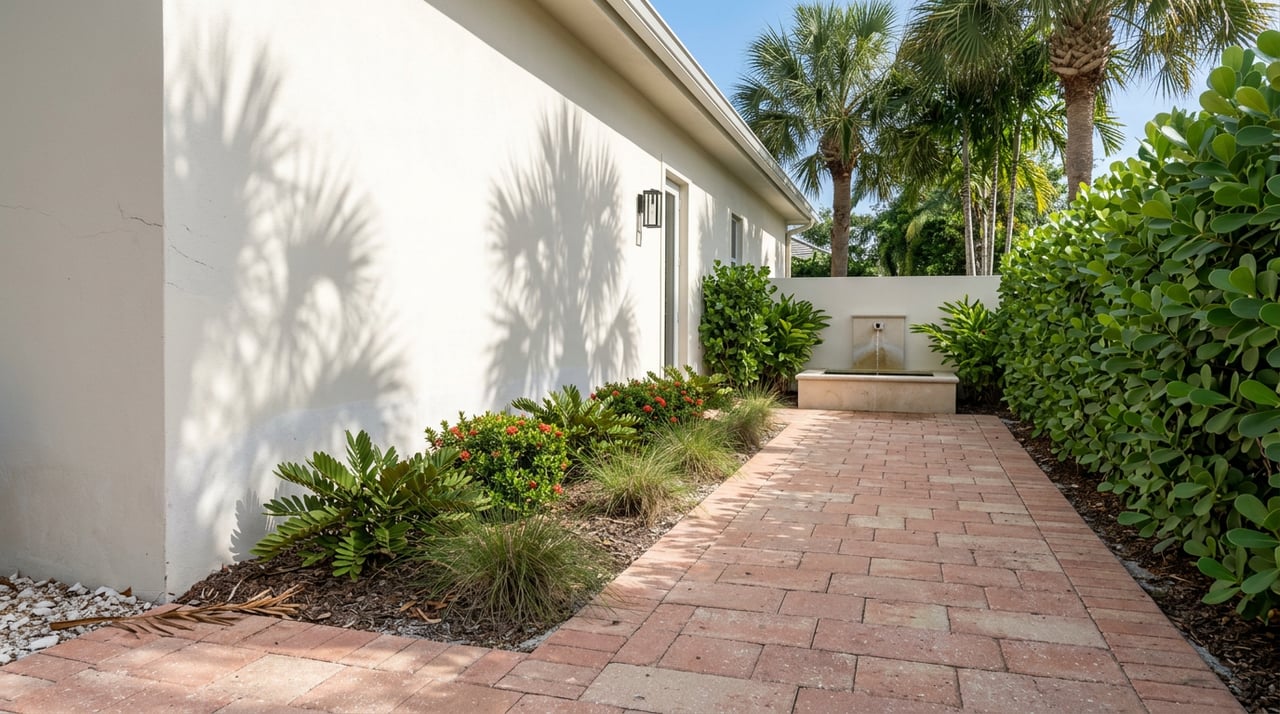
Feeling the 45-day clock on your 1031 exchange already ticking? You are not alone. Investors who sell first and shop later often feel the crunch, especially in a coastal market like Naples and Collier County. This guide shows you how to source the right replacement property on time, avoid common pitfalls, and protect your returns with local due diligence. Let’s dive in.
1031 rules that shape your search
You will have two hard federal deadlines. You must identify replacement property within 45 calendar days of closing the sale of your relinquished asset, and you must close on the replacement within 180 days. These dates are firm and include weekends and holidays.
- Engage a Qualified Intermediary before you close the sale. You cannot take possession of the proceeds. The QI holds funds and coordinates exchange mechanics.
- Use the identification rules strategically: the three-property rule, the 200% rule, or the 95% rule. Choose the approach that gives you flexibility without overcommitting.
- Match or exceed both your net proceeds and your debt to avoid taxable boot. Partial cash-out can trigger tax.
- Consider reverse or improvement exchanges if timing or renovation plans require special structuring. These need a specialized accommodator and more coordination.
- Plan to report your exchange on IRS Form 8824. A tax advisor and QI can help you document every step correctly. For a primer on the basics, review the IRS overview of like-kind exchanges.
Naples and Collier market snapshot
Naples and greater Collier County combine luxury coastal neighborhoods, suburban single-family areas, island communities, and pockets of multifamily and commercial assets. Seasonal demand is a major driver. Winter months often bring higher short-term rental occupancy and rate strength. Long-term rentals can provide steadier cash flow across the year.
- Coastal and island areas command premiums and face higher insurance costs and hurricane exposure.
- North Naples and East Naples often offer more options for volume SFR or small multifamily.
- Marco Island is a strong vacation market, but logistics and local rules can influence operations.
- Luxury corridors like Old Naples and Port Royal favor capital preservation. Yields may be lower relative to price.
Replacement property types and fit
Single-family rentals (SFR)
- Pros: broad renter demand, flexible exit strategies, financing is widely available.
- Cons: if used as rentals, they can be management intensive; coastal SFR may face HOA or shoreline considerations.
Condominiums
- Pros: lower maintenance and strong vacation-rental demand in certain buildings.
- Cons: associations may limit rentals or short-term stays. Lenders scrutinize condo financials and may restrict loans in some buildings.
Small multifamily
- Pros: economies of scale, aggregated income, often a better cap-rate profile than single-family.
- Cons: fewer listings than larger metros. Underwriting depends on accurate rent rolls, leases, and expense history.
Short-term rental homes and condos
- Pros: strong gross revenue potential in high season.
- Cons: STR rules and HOA policies vary. Expect higher turnover costs, transient taxes, and seasonality.
Commercial (retail, office, light industrial)
- Pros: potential for longer leases and predictable cash flow, especially with NNN structures.
- Cons: tenant risk and economic cycles differ by submarket.
Passive fractional (DSTs, TICs)
- Pros: turnkey, professionally managed, useful when time is tight.
- Cons: less control, fees, and potential illiquidity. Confirm sponsor credibility and 1031 compliance.
Sourcing strategy for the 45-day window
Prepare before you sell
- Line up your QI early. Their identification format and timing rules will govern your process.
- Build your exchange team: a 1031-aware CPA or tax attorney, an experienced local agent, a lender, a title company that does exchanges, and a property manager if you plan to rent.
- Define outcomes: defer tax, boost cash flow, reduce management, or reposition into a different asset class. Set target yields, property types, and locations.
Search both listed and off-market
- Combine MLS with off-market channels. Network with local investment groups, property managers, and commercial brokers.
- Ask your agent to preview condos for rental restrictions and building health. Condo viability hinges on association rules, reserves, and assessments.
- Keep DST or TIC offerings in your back pocket for timing insurance if a direct purchase stalls.
Identify backup options by rule
- Use the three-property rule for your top candidates and the 200% rule to add backups if needed.
- Prioritize by risk: insurance costs, flood zones, HOA rules, and financing certainty.
- Start light underwriting before your sale closes, so you can verify key items fast during the 45 days.
Coordinate financing early
- Confirm lenders will finance your property type. Some condominiums may not meet investor loan criteria.
- Match or exceed prior debt to avoid boot. Plan loan terms with the lender and QI before identification.
- If a reverse exchange is needed, discuss bridge structures with your accommodator in advance.
Due diligence tailored to coastal Florida
Title and ownership
- Order a title search for liens, deed restrictions, and easements. Confirm the title company understands 1031 procedures.
Zoning and association rules
- Verify zoning and permitted uses with Collier County or the City of Naples. Obtain HOA or condo documents and review rental limits, lease term minimums, assessment history, and insurance coverage.
Insurance and hazard exposure
- Get quotes for wind and flood coverage before you finalize identification. Insurance terms can materially affect returns.
- Confirm FEMA flood zone and obtain an elevation certificate where applicable.
- Evaluate windstorm deductibles and policy requirements under the Florida insurance market.
Physical condition
- Order general, roof, structural, pest, HVAC, plumbing, and electrical inspections.
- For waterfront and coastal assets, assess seawalls, pilings, corrosion, salt exposure, and mold risk.
- For condos, review reserve studies, system ages, and pending or potential special assessments.
Environmental and waterfront
- Check for wetlands, conservation overlays, and coastal construction limits.
- Confirm riparian rights, seawall permits, and rebuilding restrictions after storm events.
Financial verification
- Validate rent rolls, leases, occupancy history, and all operating expenses.
- If STR, verify proper registration and transient tax remittance.
Survey and boundaries
- Obtain a current survey to verify boundaries, easements, and floodplain details.
Short-term rentals and local rules
Short-term rental operations are regulated at county and municipal levels and can be limited by associations. Before you underwrite STR income, verify zoning allowances, registration steps, and any minimum lease terms. If you will operate an STR, review guidance from the Florida Department of Revenue on tourist development taxes and confirm local registration and remittance procedures.
Seasonality matters. High season can raise rates and occupancy, while summer and fall may be slower and overlap with hurricane season. Budget for higher management and turnover costs compared with long-term rentals, and stabilize your forecast with conservative year-round assumptions.
Example 45-day identification game plan
- Days 1–5: Confirm QI instructions, finalize investment goals, and lock lending terms. Shortlist 6 to 8 targets spanning your preferred types and locations.
- Days 6–15: Tour top targets. Order preliminary insurance quotes and flood checks. Request HOA or condo docs and review rental rules.
- Days 16–25: Run income and expense models. Begin inspections on top 2 to 3 properties. Queue title, survey, and condo questionnaires.
- Days 26–35: Finalize identification list using the three-property rule, plus backups under the 200% rule if needed. Escalate negotiations on your priority pick.
- Days 36–45: Submit identification to the QI in the required format. Tighten contingencies, complete underwriting, and prepare closing logistics.
What to watch on insurance and operations
Florida’s insurance market is dynamic, especially for coastal assets. Always price policies during identification. Consider wind and flood deductibles, insurer availability, and any building-specific requirements. Pair insurance diligence with an operational plan for hurricane season, including maintenance cycles and vacancy planning.
How we help you execute in Naples
When every day counts, you need a process that moves fast and stays accurate. Our team brings cross-state insight between Chicago and Southwest Florida, disciplined project management, and on-the-ground knowledge of Collier County’s neighborhoods, associations, and coastal risk factors. We coordinate the exchange team, build your identification list early, pressure test condo and STR rules, order quotes and inspections quickly, and negotiate toward a clean, timely close.
If you are planning a 1031 into Naples or Marco Island and want a reliable, timeline-driven search, let’s talk. Connect with Rafi Sahakian to start your replacement-property plan today.
FAQs
What is a 1031 exchange in simple terms?
- It lets you defer capital gains tax by exchanging investment or business real estate for other like-kind investment real estate under strict timelines and identification rules.
How long do I have to identify a replacement property?
- You have 45 calendar days after you close the sale of your relinquished property to identify your replacement property with your Qualified Intermediary.
What are the 3 main identification rules?
- You can identify up to three properties, or any number up to 200% of the value of what you sold, or acquire at least 95% of the aggregate value you identified.
Do condos in Naples work for 1031 exchanges?
- Yes, if held for investment, but association rental rules, reserves, assessments, and lender criteria can determine viability, so review docs and financing early.
Can I use short-term rentals as a replacement asset?
- Often yes, but verify local zoning, association restrictions, and transient tax obligations, and underwrite seasonality and higher operating costs before you commit.
What creates taxable “boot” in a 1031?
- Receiving cash or not replacing your prior debt and net proceeds can create boot; align loan amounts and purchase price with your QI and tax advisor to avoid it.